Website development - from the first idea to launch

CEO 234.studio • 9 February 2026
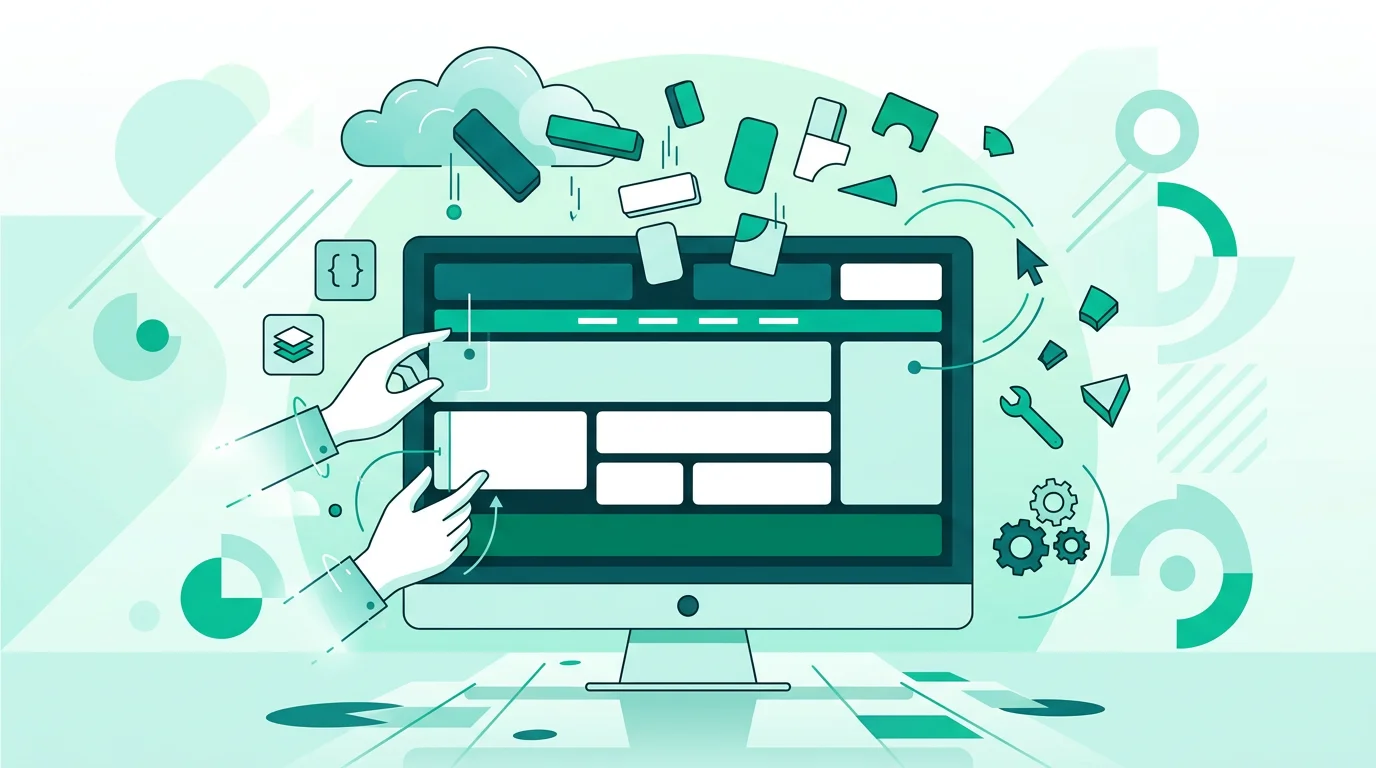
You need a website but have no idea where to begin, a familiar spot for business owners who know the site matters but find the process technical and hard to pin down. Here is how the work unfolds, step by step and without the jargon.
This guide covers both new businesses and companies replacing an ageing website, following the project from the first idea to the day the finished site starts bringing in enquiries and sales.
Stage 1: goals and strategy before the first pixel
This early stage gets skipped far too easily. Before anyone opens a design tool, answer three practical questions:
-
What job should the website do? It might collect enquiries, sell products or build recognition for the brand. Each goal calls for a different structure.
-
Who will visit it? A site aimed at teenagers needs a different experience from one built for finance directors. Your customer should feel at home there.
-
What should the visitor do next? Call, fill in a form or buy? Every page needs a clear action to lead towards.
Once those answers are clear, the project can move forward, while a project without them will struggle because nobody has decided what the website is supposed to achieve.
Stage 2: visual design and the shape of the website
With the goal agreed, the designer prepares a wireframe and then the complete visual concept. This is where you settle:
-
Page layout - the position of the navigation, hero section, content and contact form
-
Colours and typography - readable on every device and consistent with your brand
-
Mobile design - according to Statcounter, over 70% of users browse the internet on a phone, so mobile-first design is standard practice
Visual design has a commercial job as well as an aesthetic one, and thoughtful UX has a direct effect on sales. Intuitive navigation and a carefully planned layout can lift conversions by as much as 200%, according to Forrester research.
Do not start development before the visual design has been approved, because design changes made during programming cost 3-5 times as much as changes to a wireframe. A good agency will always show you the design and ask for approval first.
Stage 3: development turns the design into a working site
Developers now take the approved design and build it in code. Three parts come together here:
-
Frontend - everything visible on the screen, including animations, buttons, forms and responsive behaviour
-
Backend and CMS - the content panel that lets you update copy and photos without calling a developer
-
Optimisation - loading speed, SEO and accessibility, all of which affect visibility in Google
A good agency works in short cycles and shows progress every week. You can respond while the project is moving instead of waiting 2 months to see a finished product for the first time.
Many companies reach this stage and consider an established platform such as WordPress alongside a custom solution, and our separate guide compares both approaches before you decide. For a project that will support B2B sales, see our guide to when a B2B online shop makes business sense.
"A website is an investment. Treat it as a salesperson working 24/7 and it will earn its place in the business. Leave it like a business card in a drawer and it will sit idle."
Stage 4: testing and launch
Before publication, the website goes through a series of checks:
-
Device testing - phones, tablets, laptops and different browsers
-
Form testing - making sure submissions arrive and emails are sent
-
Speed and SEO - Core Web Vitals, meta tags, the sitemap and the SSL certificate
After testing, the domain is connected, hosting is configured and the website goes live, completing a journey that usually takes 3-6 weeks from the first meeting.
Stage 5: what happens after launch?
Publication starts the next part of the work. A website needs three things if it is going to attract customers:
-
Analytics - connect Google Analytics 4 to see where visitors come from and what they do on the site
-
Fresh content - update the blog, portfolio and offer regularly because Google favours current content
-
Promotion - bring qualified traffic through SEO, Google Ads and social media
A company serving a specific town or region should also connect the site with a complete business listing. Our local SEO guide explains how to optimize a Google Business Profile so the website, map result and reviews give customers one consistent route.
Summary
Website development has five stages: strategy, design, programming, testing and ongoing care. Skip one and you may end up with a polished site that produces little business value.
Choose an agency that will work through every stage with you if the website is expected to earn its place in the business. Shortcuts tend to surface later as missed enquiries, awkward editing and expensive fixes.
Rafał Krzysztofiak
CEO and founder of 234.studio. He has spent over 10 years designing and building websites and web applications for sole traders, growing teams and established companies.
More about the author