WordPress for a business website? An honest view of custom development

CEO 234.studio • 2 February 2026
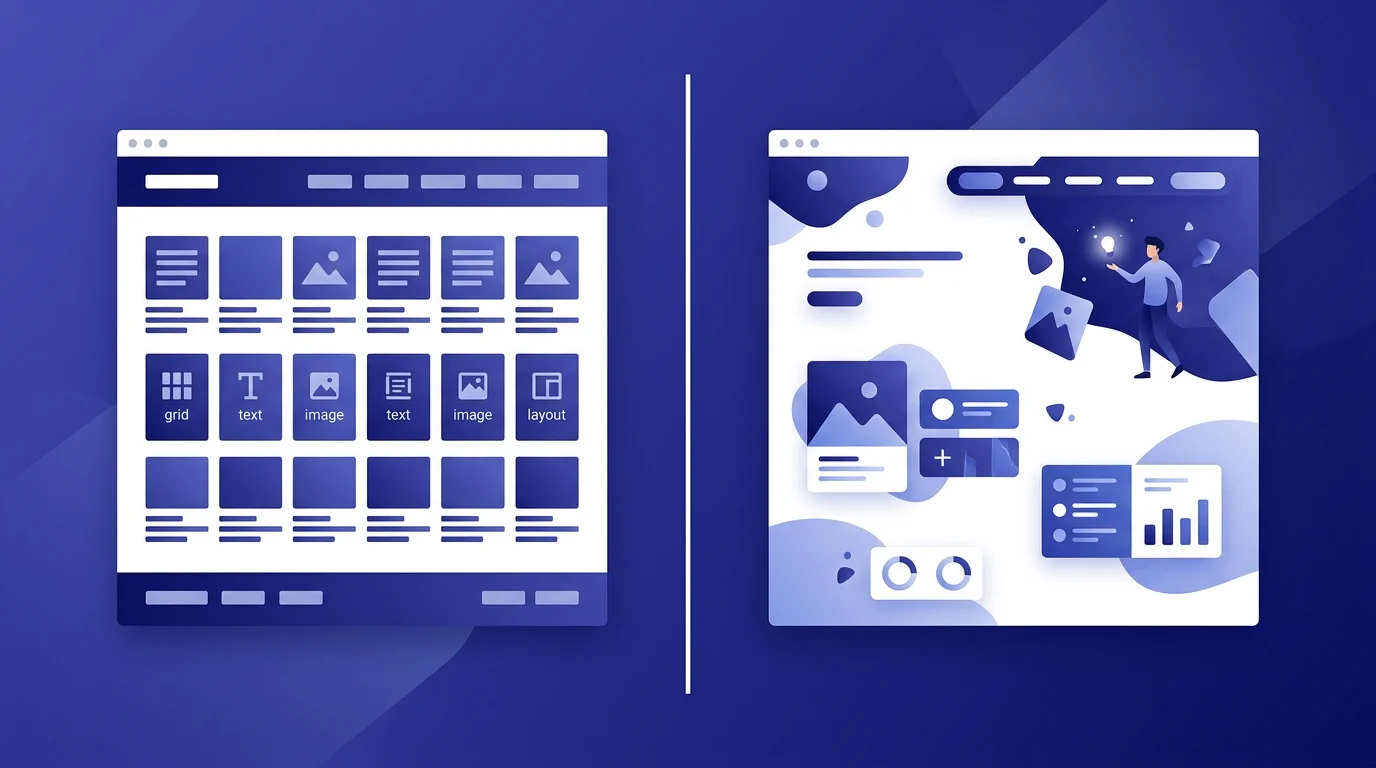
According to W3Techs data, WordPress powers over 40% of websites. That is an extraordinary share. Popularity, though, does not automatically make it the best platform for your company, as years of working with businesses moving from WordPress to custom systems have shown. Market share tells only part of the story.
WordPress has genuine strengths and limitations that tend to surface after the initial decision, and understanding both explains why a growing number of companies commission websites built around their own requirements.
The familiar advantages of WordPress
WordPress became popular for good reasons:
-
A low barrier to entry - you can publish a website within hours, even without programming skills
-
Thousands of plugins - there is an add-on for contact forms, SEO, photo galleries and almost every other task
-
A large community - forums contain answers to most common problems
-
A low initial price - hosting and a free theme can cost around PLN 200-500 a year
Those benefits sound compelling, though their costs usually appear later in the life of the website.
The WordPress drawbacks that appear too late
Our clients arrive with the same recurring problems, and each one has shown up across dozens of projects.
WordPress is the number one target for many automated attacks. An outdated plugin, weak password or unpatched core can be enough for a website to display casino adverts in place of the company offer, so security updates require ongoing care and every plugin adds another possible entry point.
A typical WordPress site may load 15-30 JavaScript and CSS files even with a simple theme, and adding Elementor, WooCommerce and a few plugins can stretch loading to 4-6 seconds. Google measures that performance and can move the site down the results. Google's web performance guidance reflects what users do in practice, with half potentially leaving after 3 seconds.
A form needs a plugin. SEO needs another. Speed brings a caching plugin, then backup requires one more. After a year, the site may depend on 20-30 plugins, half of which conflict with another piece of the stack, and an abandoned project can break on the next WordPress release along with part of the website.
Thousands of WordPress themes exist, but the popular ones are used by tens of thousands of companies, so colours and logos can change while the layout, animations and content patterns remain recognisable. A customer lands on the site with the uneasy feeling that they have seen it before.
The WordPress core, theme and every plugin require separate updates, and one poor release can produce a white screen, stop the contact form or prevent the shop from taking orders. Somehow it always seems to happen at 17:00 on a Friday.
WordPress handles a blog with 50 articles comfortably. Grow the store to 5,000 products and 100,000 monthly visitors, and slow database queries, timeouts and costly hosting start to appear. Custom architecture can distribute the load properly from the first release.
Free WordPress soon accumulates bills. A premium theme costs PLN 200-500. Elementor Pro adds PLN 250 a year, and premium plugins cost PLN 100-500 each. Faster hosting for a sluggish site can reach PLN 200-500 a month, while an expert may charge PLN 200-400 for each post-update repair. After 2 years, the total can match the cost of commissioning a sound custom website at the outset.
Maintaining a WordPress website with 10-15 premium plugins costs an average of PLN 3,000-6,000 per year for hosting, licences, updates and repairs. After 2-3 years, the total reaches roughly PLN 10,000-18,000. The website may still be slow, resemble thousands of others and need constant care. Based on our 114+ completed projects, a custom website costs a comparable amount upfront and then runs for years without recurring plugin fees.
What do you get with a custom website?
A website designed and developed specifically for the business changes the fundamentals:
Very fast loading
A custom website loads in 0.5-1.5 seconds because it carries none of the weight of 30 plugins. Better Google performance can bring more customers.
A distinctive design
Every pixel is planned for your company instead of inherited from a theme used on thousands of sites. The brand is recognisable at first glance.
Security
Custom code removes the familiar WordPress attack surface, including the /wp-admin panel targeted by 90% of attacks.
Independence from plugins
Each feature is written for the project. A third-party plugin update cannot suddenly remove it.
Scalability from day one
The architecture accounts for growth. Performance stays steady with 100 or 100,000 monthly users.
Lower long-term cost
Annual licences, paid plugins and repeated update repairs disappear. You pay for a system designed to last.
Our guide to the website development process follows a custom project from its first idea to launch.
"When a client says WordPress will be cheaper, I ask whether it will still be cheaper in 2 years. The answer is almost always no."
When does WordPress make sense, and when does custom development win?
WordPress has a useful place. This quick guide separates the common cases:
WordPress suits:
A personal or hobby blog / A first MVP website used to test an idea / A microbusiness with a PLN 2,000-3,000 budget / A site that does not need to generate leads
Custom suits:
A company that wants a distinctive brand / A store planning serious growth / A lead-generation website / Any business that values speed and SEO
See websites built from scratch
Our portfolio provides the evidence. Each project began from a blank page and was shaped around the client's requirements, with its own design and a fast codebase.
A company website can become a working sales tool that earns trust and generates enquiries, an advantage a familiar WordPress template rarely provides.
Summary
WordPress can serve an early-stage project well. A growing company that depends on speed, security and a distinctive presentation will eventually feel its limits. UX designed around the customer can turn that stronger foundation into sales.
A custom website concentrates the cost at the beginning, removing annual plugin purchases, anxious update cycles and fights between add-ons from the years that follow. The result does the exact job the company needs, and it does it quickly.
Rafał Krzysztofiak
CEO and founder of 234.studio. He has spent over 10 years designing and building websites and web applications for sole traders, growing teams and established companies.
More about the author